

For the past few months, our gaming group has been planning a homebrew Bolt Action campaign based on Operation C3/Herkules—the never-executed Axis invasion of Malta. While the historical invasion never took place, it was meticulously planned, and the island’s defenders were prepared for a brutal battle. This campaign gives us the chance to explore what might have happened if Axis forces had actually landed and the defenders had to hold the line against overwhelming odds.
While we’re keen to play through the full campaign, much of our focus at the moment is on building and painting the British and Maltese forces that would have defended the island. Both Phil and I are deep into the hobby side of things, assembling terrain, researching historical camo patterns, and putting together a force that does justice to the unique setting of Malta in 1942.







The Battle Begins: An Alternative History Scenario
To set the scene for our campaign, here’s a brief alternative history imagining what the first day of an invasion might have looked like:
July 9, 1942 – The Invasion of Malta
At 0500 hours, the skies over Malta were torn apart by the roar of German and Italian bombers. The 7th and 10th Heavy Anti-Aircraft Regiments, Royal Artillery, responded with relentless fire, but the sheer number of enemy aircraft was overwhelming. As the sun rose, German Fallschirmjäger paratroopers descended over the airfields, clashing with the 2nd Battalion, Royal Irish Fusiliers in a desperate attempt to secure a foothold.
Meanwhile, at 0700 hours, Italian and German landing craft reached the shores near Mellieħa Bay. The King’s Own Malta Regiment (KOMR), despite being outnumbered and lightly equipped, turned the rocky terrain to their advantage, launching ambushes and delaying the enemy’s advance.
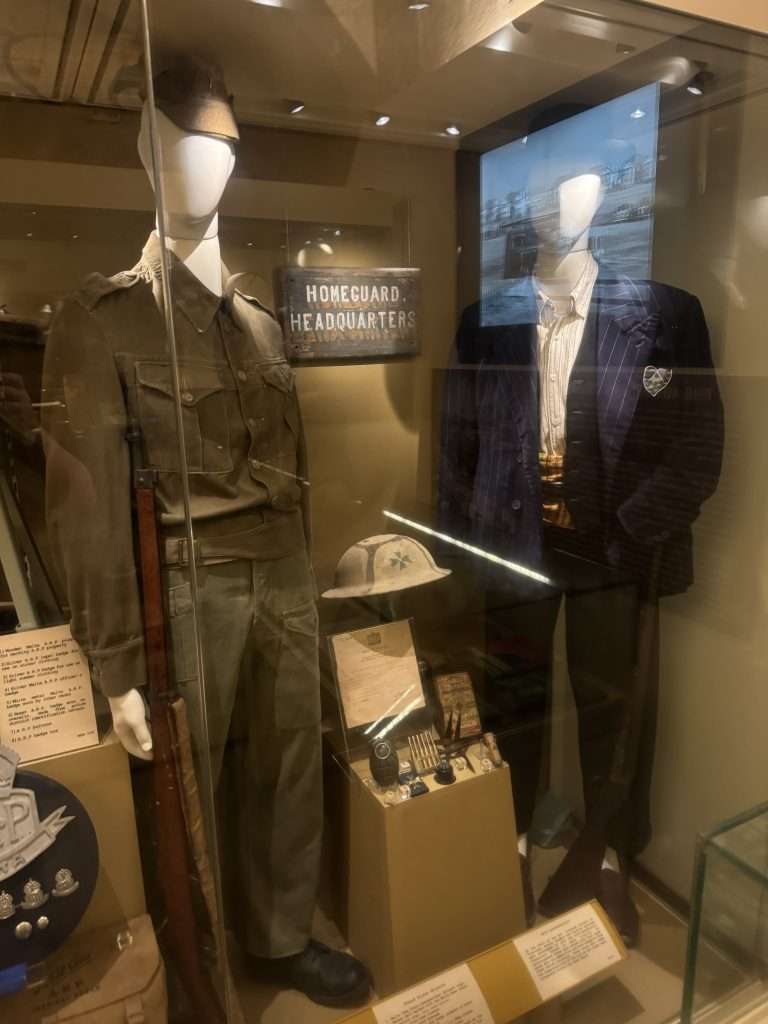
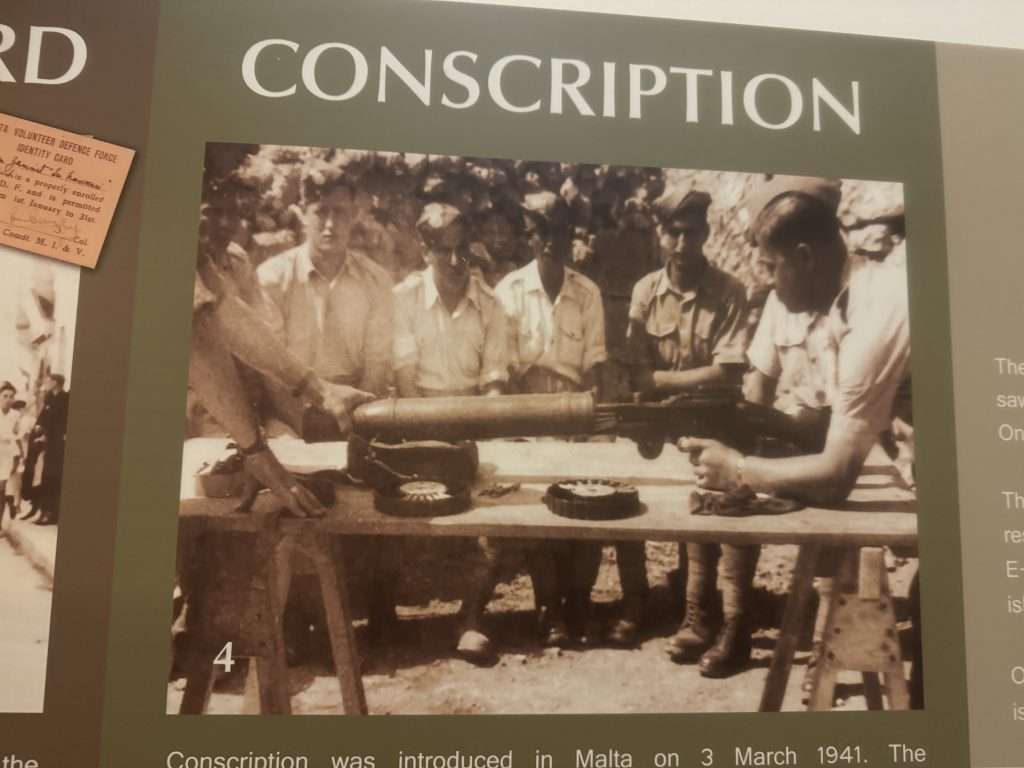
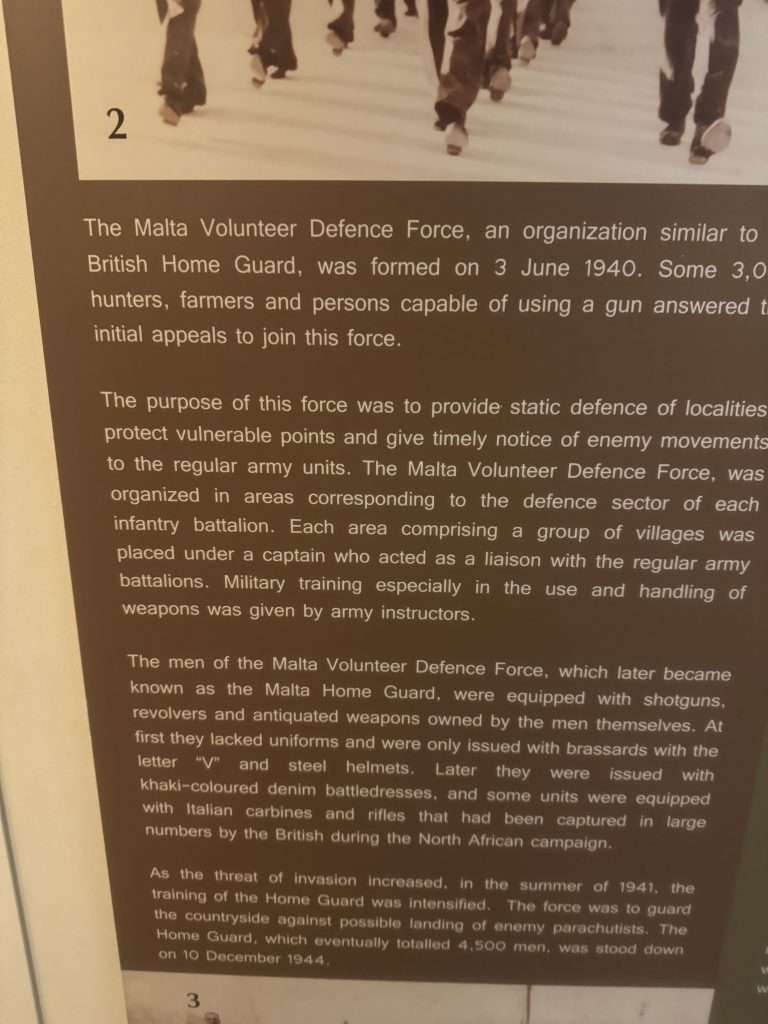
By 0800 hours, urban warfare had erupted in Valletta. The Malta Police Force, alongside Home Guard volunteers, fought street-to-street, using whatever weapons were available. Every narrow alley and limestone balcony became a defensive position as they tried to slow the Axis push.
At 1200 hours, British command launched counterattacks, with the 8th (Ardwick) Battalion, Manchester Regiment striking back. The Royal Engineers worked to demolish key routes, stalling enemy armor. Despite some gains, the sheer weight of the invasion force meant the battle was far from over.
As the sun set on July 9, 1942, Malta’s defenders still held key positions, but Axis forces had gained a foothold. The battle for the island was just beginning.
Building the Defenders: Miniatures and Painting Plans
For our campaign, we’re putting together a historically inspired Bolt Action force that represents the mix of British and Maltese troops who would have defended the island. Here’s how we’re doing it:


Core British Forces – Warlord Games’ Desert Rats
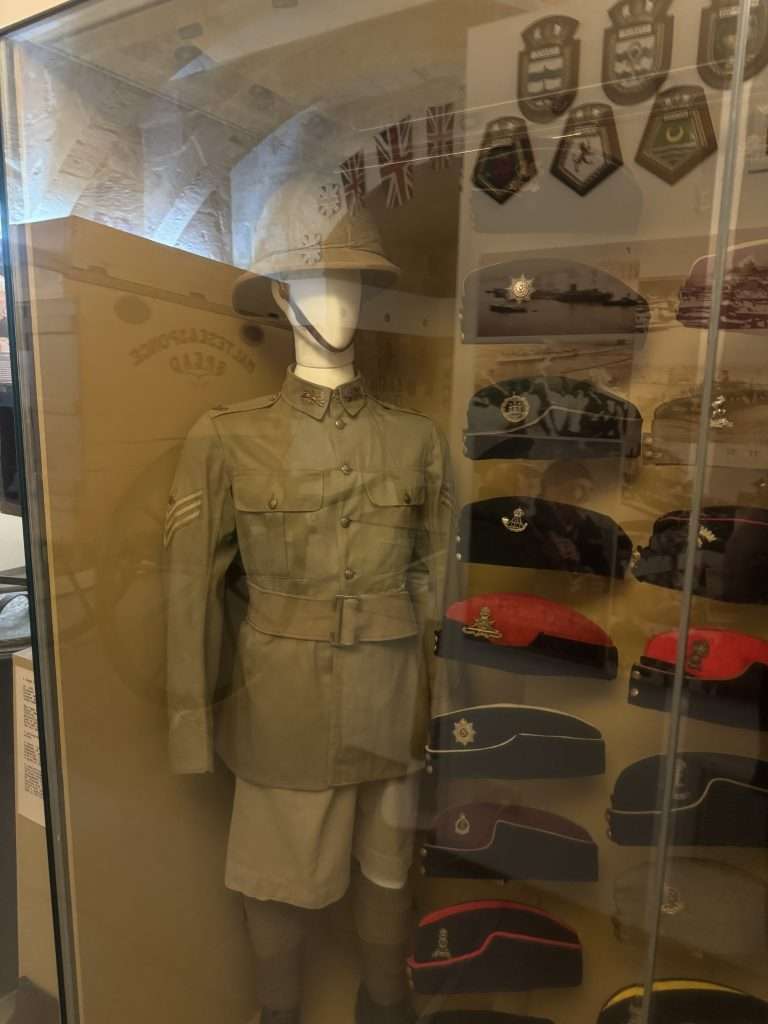
For the backbone of the defense, we’re using Warlord Games’ Desert Rats, which are a great fit for the British regiments stationed on Malta. These figures will form the bulk of our infantry units, including the 2nd Battalion, Royal Irish Fusiliers and the 8th Battalion, Manchester Regiment.

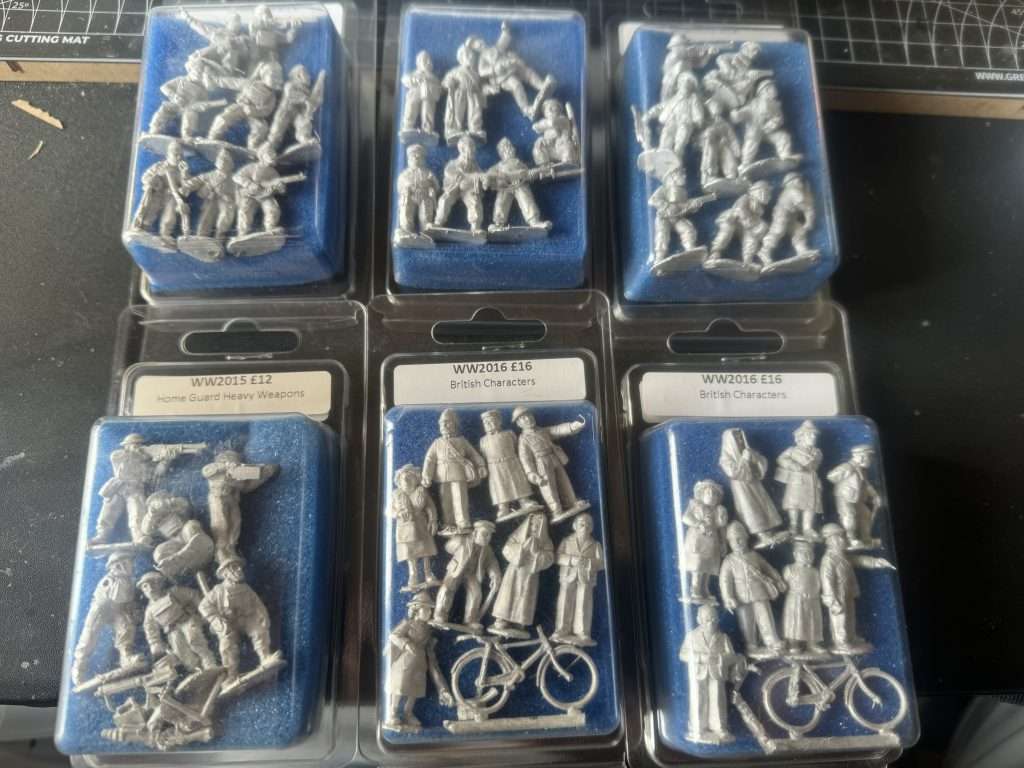
Local Defense – Foundry Home Guard and Partisans
Since a full-scale invasion would have seen everyone available thrown into the fight, we’re including Foundry Miniatures’ Home Guard models to represent the hastily armed Malta Home Guard, police officers, and older reservists. We’re also adding Foundry and Wargames Atlantic partisans to represent irregular fighters—dockworkers, farmers, and civilians taking up arms to defend their island.
Armored Support – Historical Tanks and Universal Carriers
Malta’s armored forces in 1942 were limited but diverse. The island’s defenders had a small contingent of tanks, including:
- Light Tank Mk VI – Three deployed, primarily used for reconnaissance.
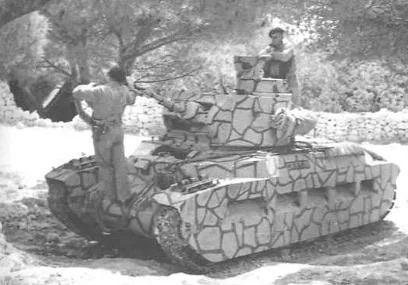
- Matilda II Infantry Tanks – Four deployed, providing infantry support with their 2-pounder guns.
- Cruiser Tanks – A mix of Cruiser Mk I and Mk III tanks, with at least one Mk I and up to seven Mk III tanks deployed, offering greater mobility and firepower.
- Valentine Mk III Infantry Tanks – Four deployed, known for their reliability and armor protection.
In addition to these tanks, each infantry battalion was equipped with about ten Universal Carriers (also known as Bren Gun Carriers), which were lightly armored tracked vehicles used for transporting personnel and equipment.
Notably, some of the tanks were given names by their crews, such as the Matilda II tanks named Faulknor, Gallant, Greyhound, and Griffin.
To accurately represent these vehicles in our campaign, we’re sourcing appropriate 28mm scale models and paying close attention to the specific variants and markings used by the Malta garrison during this period.
Painting and Camouflage – The Malta Look
One of the most unique aspects of this project is painting the distinctive Malta camouflage patterns that were applied to helmets, vehicles, and fortifications. Unlike standard desert schemes, Malta’s camo was designed to blend into the island’s limestone buildings and rocky terrain, featuring a mix of sandy browns, greys, and faded greens.
Phil and I are experimenting with different techniques, using airbrush layering and sponge weathering to recreate the worn, sun-bleached look these vehicles would have had. We’ll post a full painting guide once we refine the process.

Building Malta: Terrain for the Campaign
No campaign would be complete without terrain, and we’re going all-in on recreating the unique look of Malta in 28mm scale.
- 3D-printed buildings – We’re printing a mix of houses, fortifications, and ruins to capture the mix of historical and war-damaged architecture.
- Sarissa Precision kits – We’re using Sarissa’s Mediterranean and North Africa terrain kits for additional buildings and defensive positions.
- Custom battlefield elements – We’re adding searchlights, anti-aircraft gun emplacements, and fortifications to represent the hardened defenses that made Malta such a tough target.
- A Die-Cast Maltese Bus – One of the most exciting additions will be a die-cast Maltese bus, sourced from a local tourist shop in Gozo. While not a military vehicle, it adds a fantastic bit of local flavor and could be used as an objective, a barricade, or just scenery in our games.
Next Steps: Playtesting and Expanding the Campaign
With our forces coming together and terrain in progress, the next step is to start playtesting. We’ll be working out game mechanics for the street fighting in Valletta, ambushes in the countryside, and aerial attacks on convoys, making sure our campaign feels dynamic and historically grounded.
One of the key challenges will be balancing the sheer firepower of the Axis invasion force with the resourcefulness and determination of the defenders. We’re considering using some asymmetrical objectives, such as:
- Delaying Actions – The British and Maltese forces may need to hold key choke points or slow the Axis advance long enough for reinforcements to reposition.
- Destruction of Key Assets – Engineers and sabotage units could be tasked with destroying bridges, fuel depots, or artillery before they fall into enemy hands.
- Airfield Defense Missions – RAF personnel and ground crews may be forced to fight off Fallschirmjäger attempting to seize airstrips.
- Urban Resistance – Local militia and partisans may play a key role in making city fighting as costly as possible for the invaders.
This project has been an exciting challenge, blending historical research, painting, and narrative wargaming into a unique Bolt Action campaign. If you’re interested in following along, we’ll be posting updates, painting guides, and battle reports here on Manor Gaming.
The Rock is under siege. Let’s see if we can hold it.